Technology
Technology should make care more human.
Technology is not the purpose of care. It is a tool for understanding each patient more clearly, planning more thoughtfully, and staying connected throughout recovery.
Personalization comes first
Every patient has different anatomy, symptoms, expectations, and goals. A technology-centered practice begins with equipment. A patient-centered practice begins with listening.
Technology becomes valuable only after your needs are understood. It can help answer more detailed questions, compare surgical options, confirm decisions, and follow recovery objectively. It cannot determine what matters most to you; that requires conversation, judgment, and trust.
An extension of surgical judgment
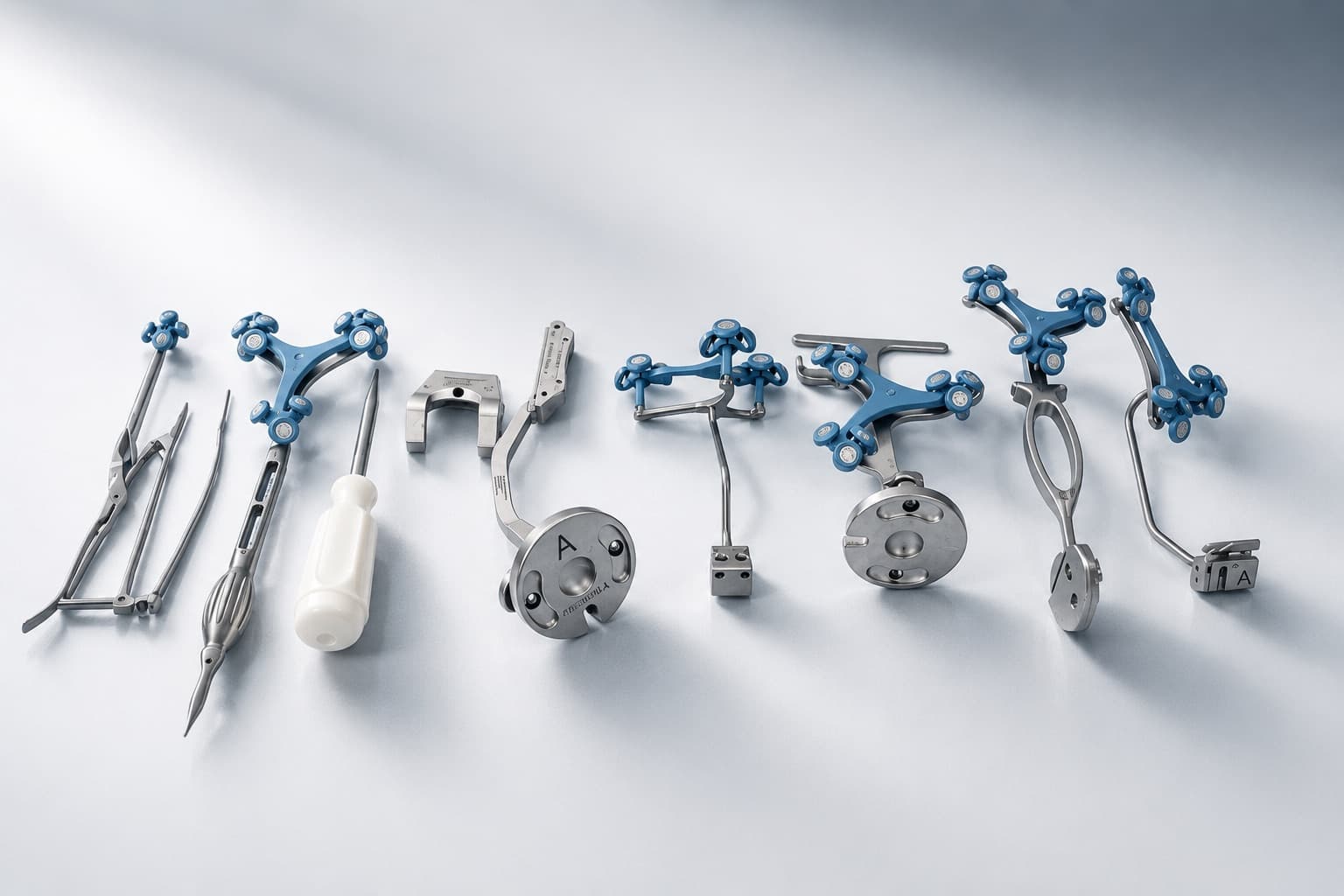
Robotic systems and computer navigation provide detailed information about anatomy, alignment, implant positioning, and joint balance. They do not decide what operation should be performed.
Dr. Seem remains responsible for every decision. Technology extends what the surgeon can see and measure, while experience determines what those measurements mean.
A connected care pathway
Modern joint replacement is no longer limited to a consultation, an operation, and a few office visits. Used thoughtfully, digital education, remote communication, and objective recovery data can help you:
- Understand what to expect and prepare more confidently
- Receive guidance between office visits
- Track recovery over time
- Identify meaningful changes that may deserve attention
- Have more informed conversations with the care team
How new technology earns its place
Dr. Seem does not use artificial intelligence to make medical decisions. Your diagnosis, your surgical plan, and every judgment about your care come from him: your history, your examination, and your imaging, interpreted with training and experience.
Before any new tool is used in his practice, he evaluates it the same way he evaluates an implant or an instrument: does it genuinely help patients? If it does not make care more accurate, more convenient, or more personal, he does not use it.
Technology is only valuable if it helps deliver more personalized care.
- Does technology replace the surgeon?
- No. Dr. Seem performs the operation and makes every clinical and surgical decision. Technology provides additional information that supports those decisions.
- Is robotic surgery fully automated?
- No. The robotic system does not independently perform the operation. It is a surgeon-controlled tool used for planning, measurement, and precise execution.
- Is AI making medical decisions about me?
- No. Dr. Seem makes every medical decision with you, based on your history, examination, and imaging. Software may help organize information or personalize education, but it plays no role in diagnosing you or deciding your treatment.
- Does more technology guarantee a better outcome?
- No technology can guarantee a specific result. Outcomes depend on diagnosis, surgical technique, overall health, rehabilitation, expectations, and individual healing.
Next step
Ready to talk through your options with Dr. Seem?